Start at his foot. It is already past the bank, and he is looking up. Arthur Edward Waite, who wrote the guide to the 1909 Rider-Waite deck, put his Fool's eyes in the same place: he "surveys the blue distance before him, its expanse of sky rather than the prospect below." The card is not about courage. It is about where the eyes are at the moment of the step.
The card's number holds nothing yet. Court de Gébelin, writing on the tarot in 1781, called the Fool the zero of the count, the card that takes nothing and that nothing takes. Lao Tzu saw what emptiness does: thirty spokes meet at one hub, and the wheel's use depends on the empty space at its center. Zero is room. The Fool is the empty space that lets everything else move.
An empty space is a doorway, and a doorway has a threshold. Joseph Campbell, in The Hero with a Thousand Faces (1949), called this the crossing of the first threshold. Ordinary people, he wrote, fear even "the first step into the unexplored." Campbell's pattern has a stage called the refusal of the call. This card is the one that does not refuse.
Something crosses with him, already at his heel. Etteilla, Levi and Papus each saw something at the Fool's heel: tigers chasing a wise man, a tiger biting a man who cannot escape, a dog biting the leg of a man who never looks down. Our jackal pup, a wild kin of the dog, leaps and yaps. The old writers saw pursuit. Look again.
What follows a person and knows the ground better than he does? Antonio Damasio argued that feelings in the body, a quick heartbeat, a turning stomach, steer our decisions. In gambling experiments, people learned to avoid the risky decks by feeling the loss before it came. The pup is the instinct that sees the edge the mind refuses to look at. It is the body keeping pace with the step.
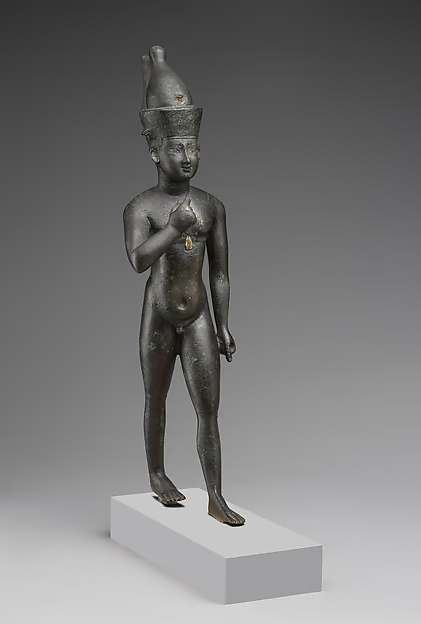
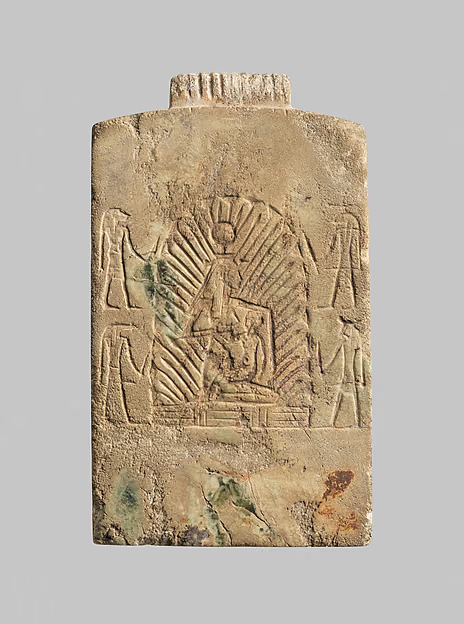
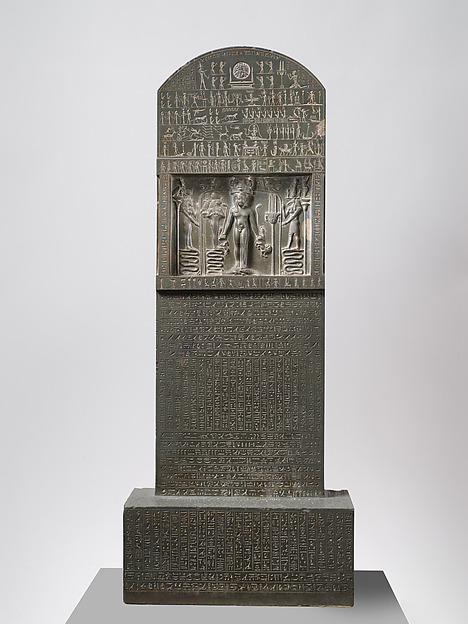
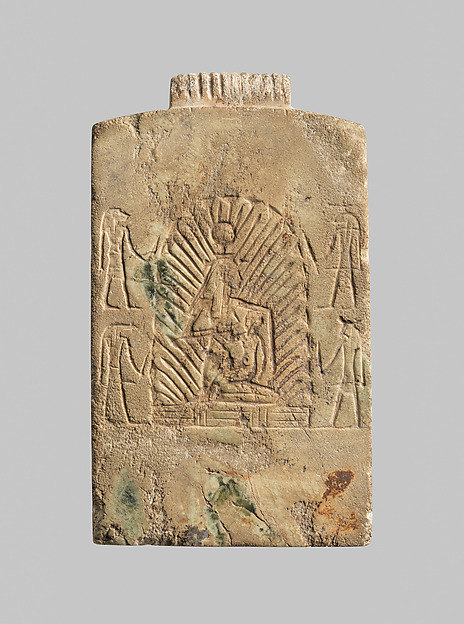
The dog's family has an older name in the sky. Sirius, the Dog Star, rose at dawn each year just before the Nile flood, so regularly that it stood at the center of the Egyptian New Year. Plutarch says the Egyptians held it to be "the star of Isis." This card is Horus the Child, with a jackal pup at his heel. The animal beside the zero is the one that announces a new year.
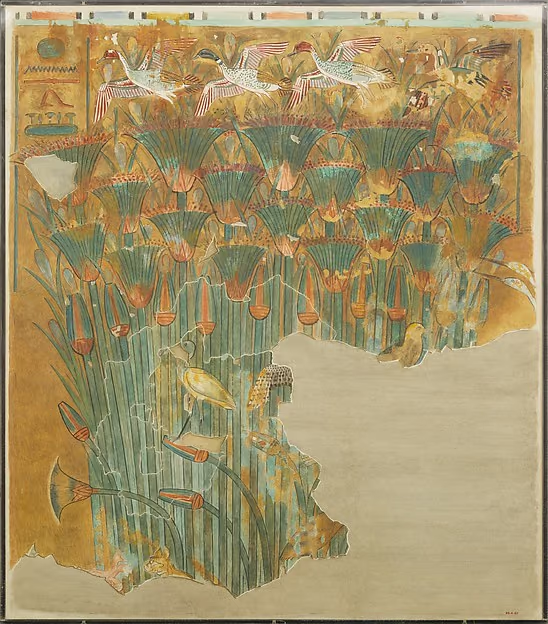
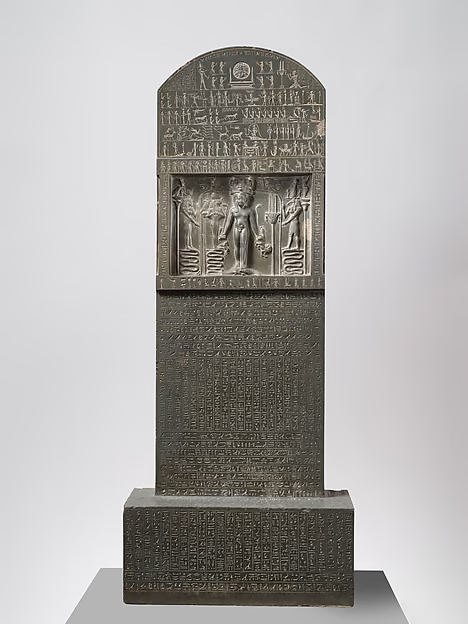
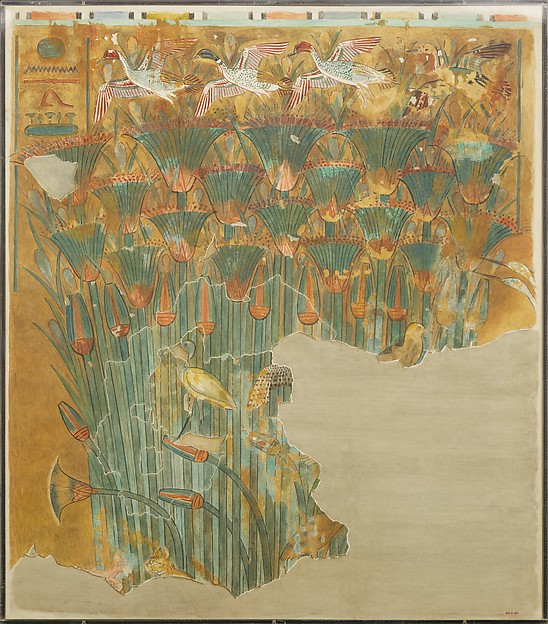
A new year needs a child who lived to see it. Isis hid Horus in the papyrus marsh, and the mystery below tells it from the stone. The step over the edge is the end of a hiding. The mother holds so the child can walk out. In this deck the Empress holds and the Fool steps: her hand on her belly and his foot over the water are one story, seen from two sides.
From outside, the one who steps looks like a fool. Paul wrote that God chose "the foolish things of the world to confound the wise." Jung wrote of the fairytale simpleton who wins where the clever fail, and called the trickster "a forerunner of the saviour." The Golden Dawn kept both faces: "that which endeavours to transcend Earth" when the question is of the spirit, folly and mania when it is of the world. The old readers split on him. Some saw a sage, some saw a man led by his appetites. The card is both, and the difference is where the eyes are.
Even the count cannot hold him. Levi and Papus set the unnumbered Fool just before the last card. Paul Foster Case set him first. Etteilla lifted him above the count. Zero is the hub, not the first spoke, so it fits wherever a wheel is about to turn.